 Queen Alia International Airport (QAIA) was first inaugurated in 1983 to become Jordan’s key access to the world.
Located 35 kilometres from the heart of the capital, Amman, it provides passenger, air cargo and aviation support services. It gives direct access to major business and travel destinations in Europe, Asia, North America and the Middle East, and heritage sites like Petra, the Dead Sea and the Wadi Rum Desert.
In 2007, under the terms of a 25-year concession agreement, Airport International Group (AIG) became responsible for the operation of QAIA, the rehabilitation of the airport’s facilities, and the construction of a new passenger terminal.
In addition to AIG’s total capital commitment of $850 million, funding was secured through the commercial arm of the World Bank, the International Finance Corporation (IFC), the Islamic Development Bank, a syndication of commercial leaders, and shareholder equity.
By 2012, the airport was serving 6.2 million passengers.
The new Foster+Partners-designed terminal was inaugurated in 2013 with the aim of increasing passenger capacity from 3.5 million to 9 million in phase one, and to 12 million in phase two. A few months later, ISO-certified QAIA became the second airport in the Middle East to gain airport carbon accreditation.
Groupe ADP took control of AIG by becoming a 51% shareholder in April. Its new co-shareholders are the infrastructure investment funds, Meridiam, and IDB Infrastructure Fund II. The Engineering and Development Group (Edgo) also remains a co-shareholder.
The French group has invested $265 million consolidating its position in the region and encrusting its DNA there, especially through ADP Ingénierie.
The group is exploring the possibility of further expanding QAIA’s capacity, which is well above 12 million per year today, given the growth forecasts in the short and medium term.
“We got the contract for the extension of Sharjah Airport in the United Arab Emirates as a result of our strong presence in the Middle East, epitomised by our approach for more geographical proximity and a long-term partnership with our customers,” said Gratien Maire, ADP Ingénierie CEO.
The company is also present in Oman, both in Muscat and Salalah, and at four other regional airports.
In addition to the upgrading of the C satellite at Dubai International Airport, ADP Ingénierie will be in charge of extension works at the passenger terminal of the new Al Maktoum International Airport.
It also won the contract for the extension of Bahrain Airport’s passenger terminal and the design of the new regional air traffic control centre.
Furthermore, Groupe ADP has a long-standing presence in Saudi Arabia. Since 2007, it has been operating and maintaining the Hajj terminal in Jeddah.
ADP Ingénierie has also designed the new Jeddah International Airport, which will be operational soon, and carried out studies and design for the modernisation of the security systems at 27 civil airports throughout the kingdom.
The Lebanese Government plans to put Beirut International Airport under concession and will launch a tender, most probably in 2019, to ensure the growth of this platform,” said Echegaray.
He added that Groupe ADP is very much interested in the privatisation programme under study concerning some of the kingdom’s airports.
Due to its geographical location, Turkey is another country with golden opportunities. The group has, thus, decided to strengthen its stake in TAV Airports, which operates more than 15 facilities in the region, including seven in Turkey. “This acquisition gives Groupe ADP a unique experience in international expansion and the implementation of airport concessions,” said Echegaray.
Even though, currently, there’s no greenfield airport project in the Middle East, all the countries need airport expertise to harmoniously combine efficiency and creativity with anticipated future challenges, while meeting immediate needs.
Source: Arabian Aerospace On Line News
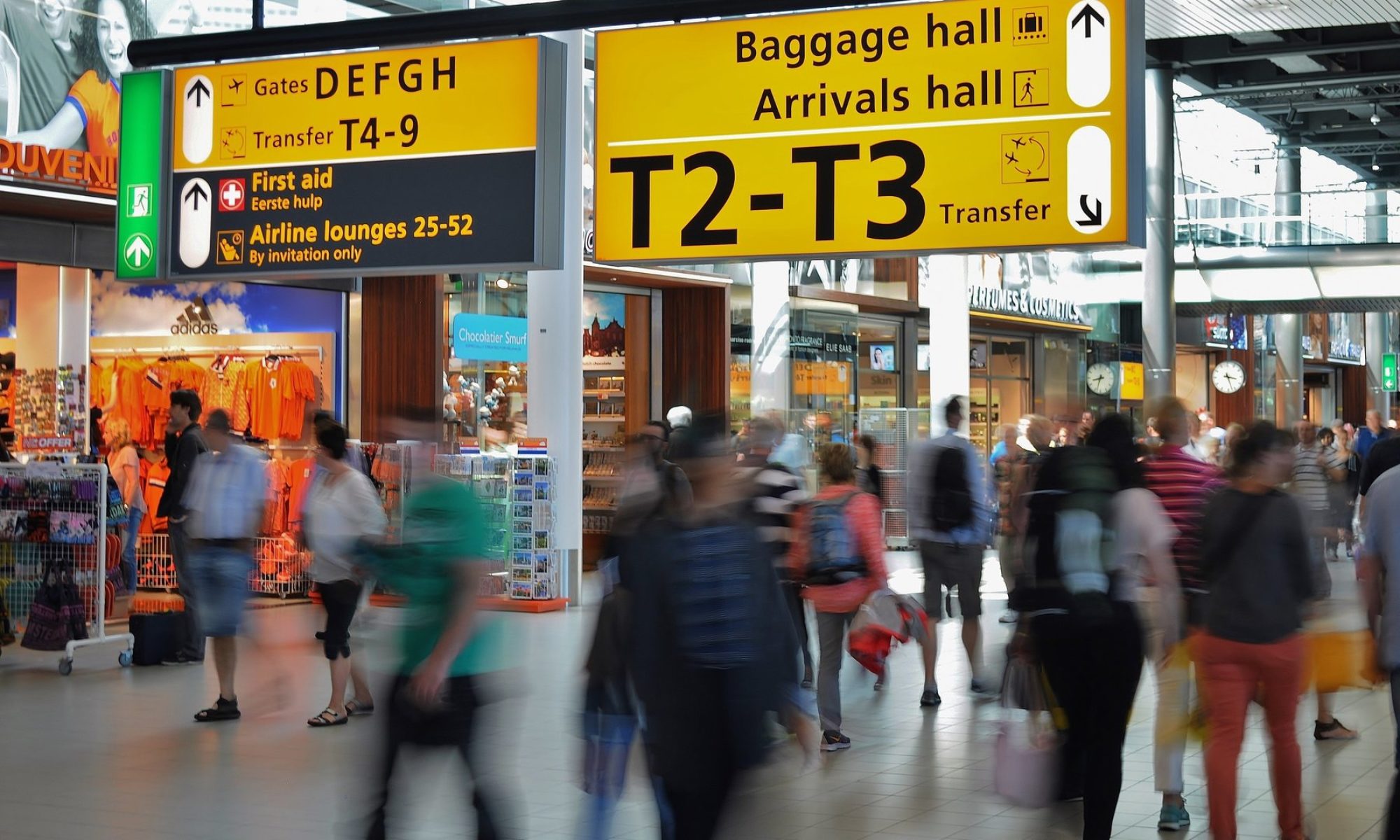

 The government of Suriname led by President Desi Bouterse is seeking permission from Parliament to borrow US$205 million from the Exim Bank of China to expand and modernize the Johan Adolf Pengel International Airport (JAP) because the constitution of Suriname sets a limit on how much government can borrow.
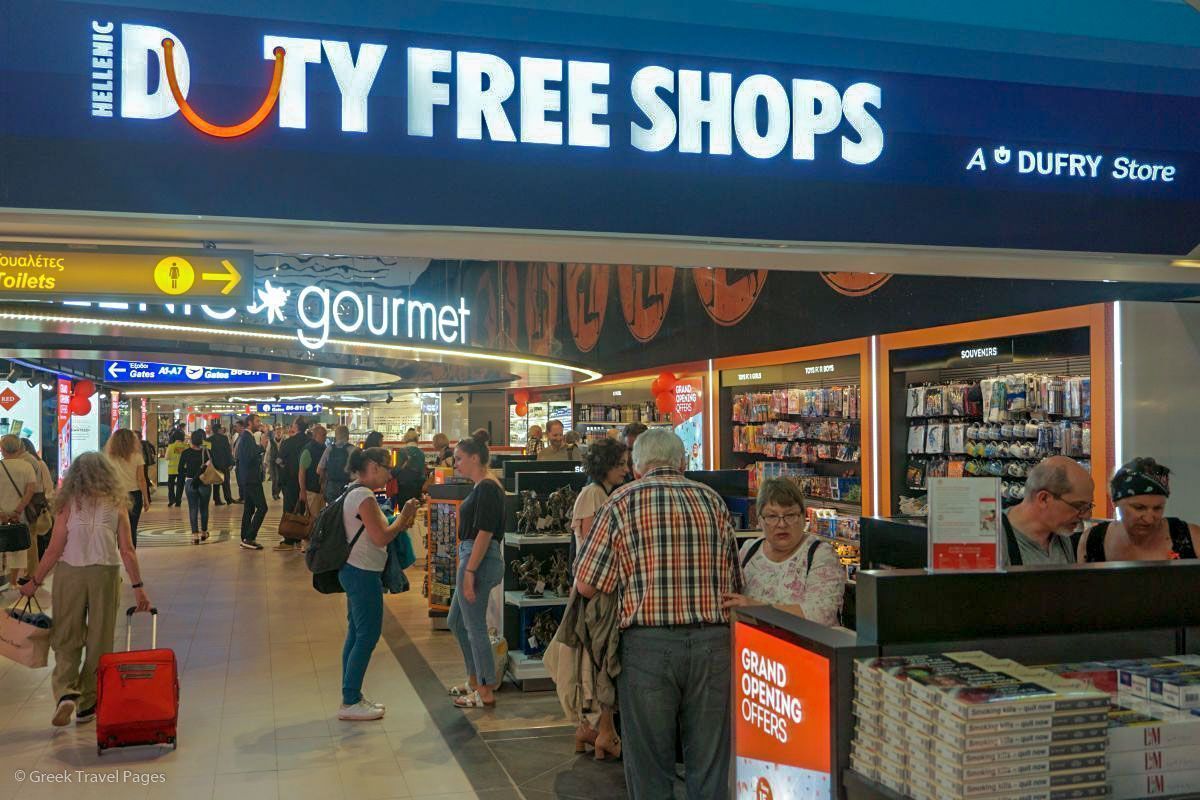
 Hellenic Duty Free Shops SA announced this week that investments for upgrade and expansion works at the airports of Rhodes, Zakynthos, and Chania, as well as projects including the extension of space at Heraklion Airport, were moving ahead following a relevant decision published in the Government Gazette.